The Tempietto in Rome by Leon Battista Alberti is a small Renaissance masterpiece that turns classical harmony into a simple, elegant form. With careful proportions, a clear geometric plan, and measured use of columns, it shows Alberti’s humanist idea: architecture as orderly, rational beauty from the past. Its restrained decoration, balanced cornices, and play of light and shadow give it a calm, sculptural feel. Drawn in loose, fine swirling lines, this drawing captures the light and shape of the mini temple so distinctively.
The Tempietto in Rome by Leon Battista Alberti is a small Renaissance masterpiece that turns classical harmony into a simple, elegant form. With careful proportions, a clear geometric plan, and measured use of columns, it shows Alberti’s humanist idea: architecture as orderly, rational beauty from the past. Its restrained decoration, balanced cornices, and play of light and shadow give it a calm, sculptural feel. Drawn in loose, fine swirling lines, this drawing captures the light and shape of the mini temple so distinctively.

 Image 1 of 21
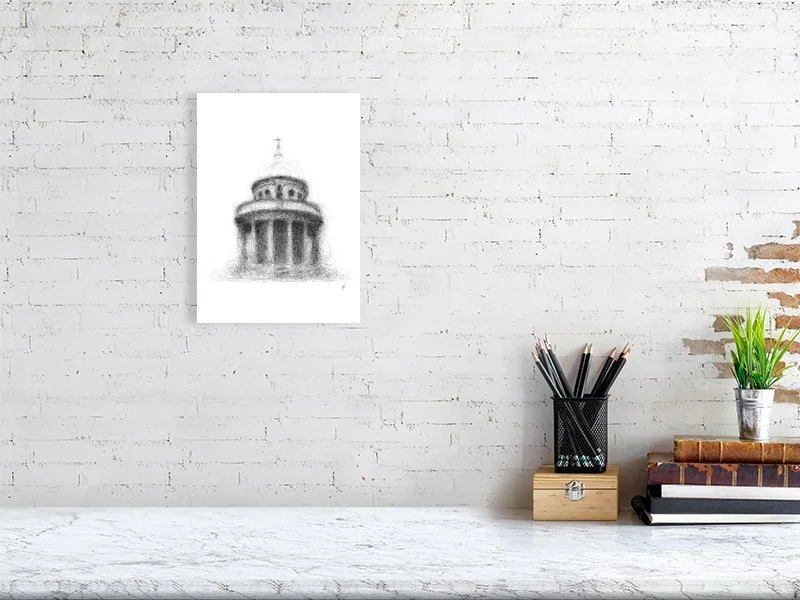 Image 2 of 21
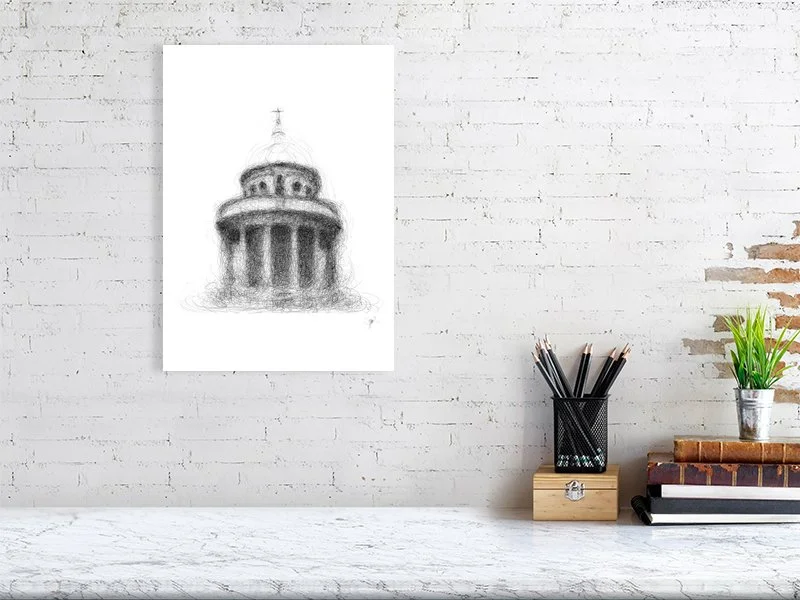 Image 3 of 21
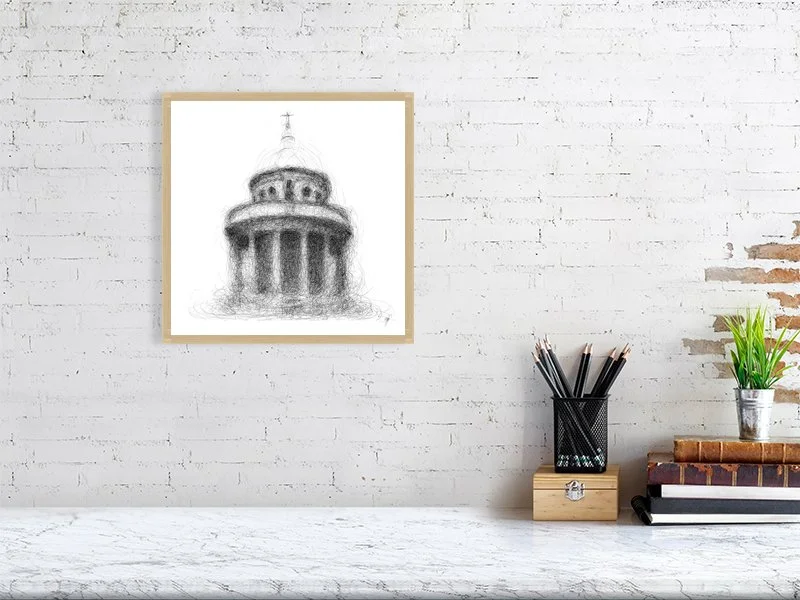 Image 4 of 21
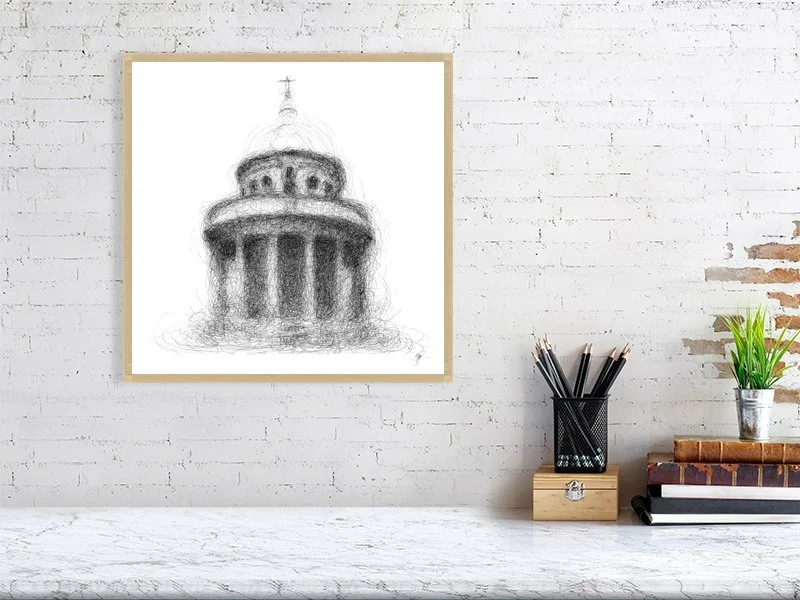 Image 5 of 21
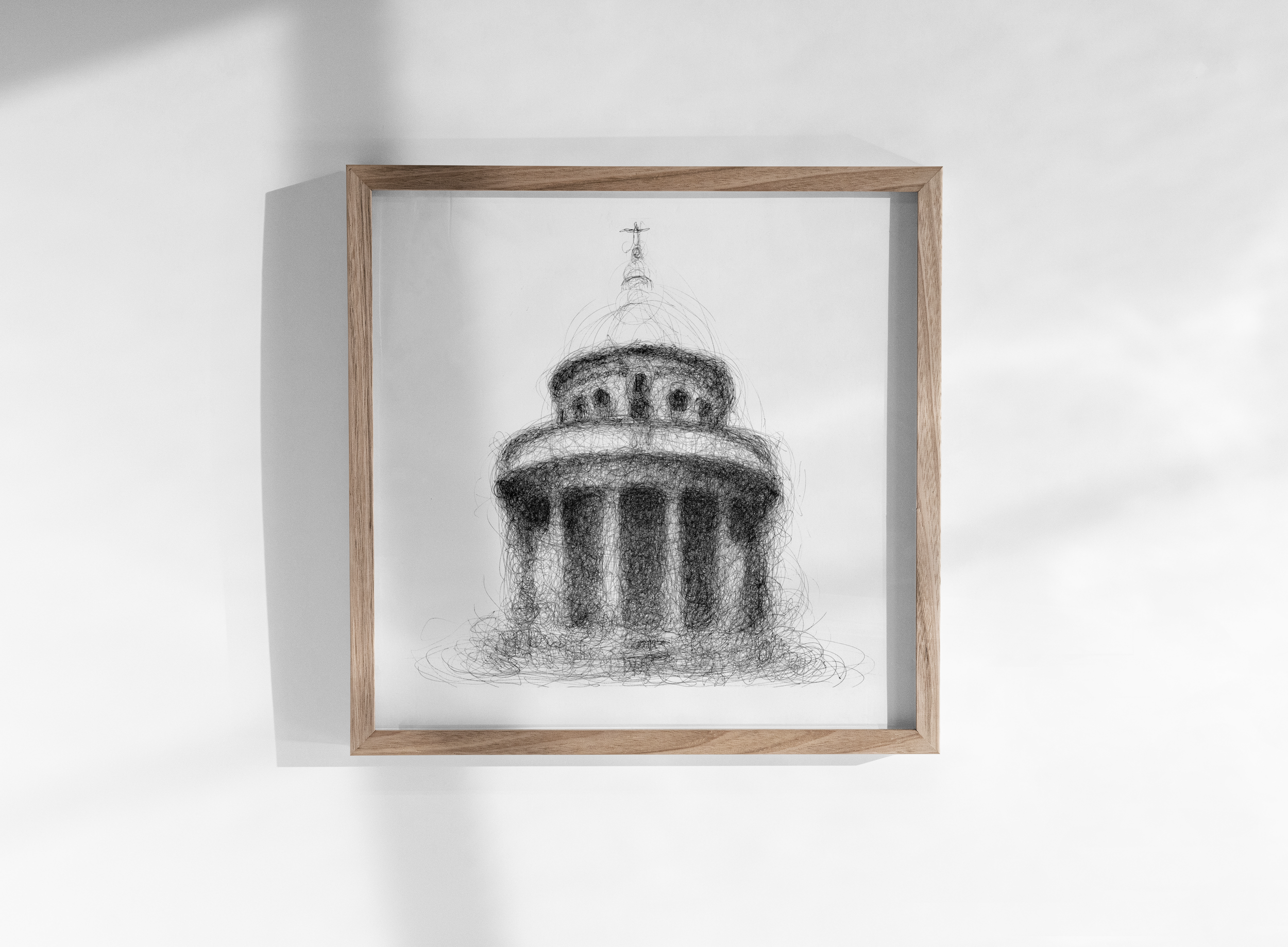 Image 6 of 21
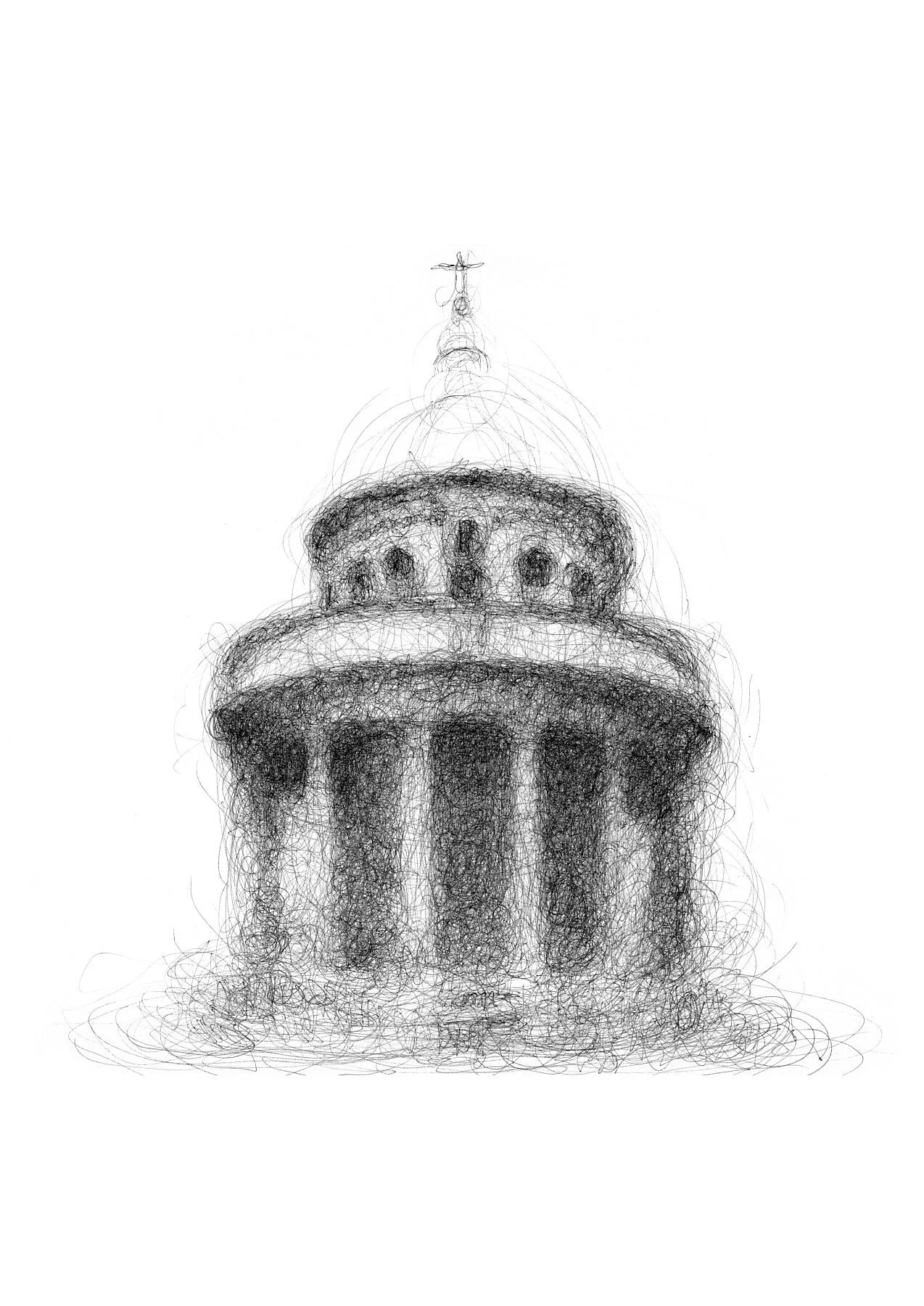 Image 7 of 21
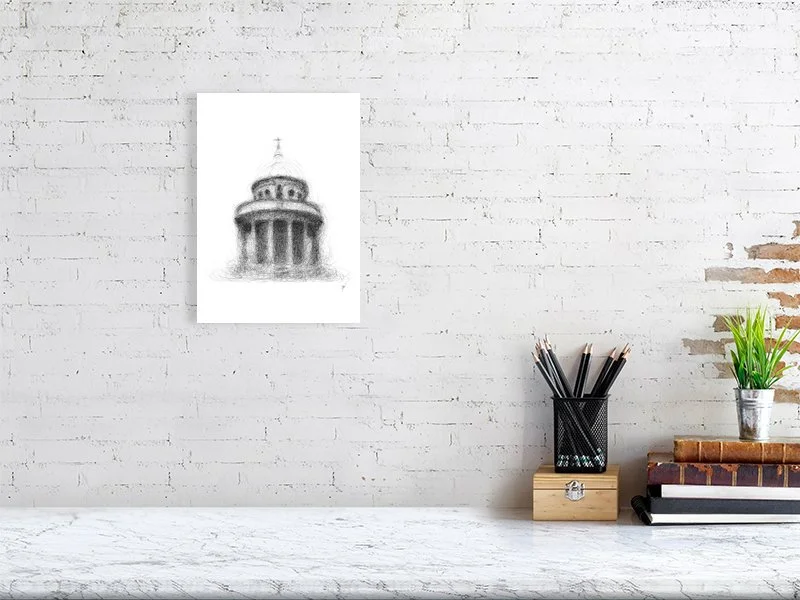 Image 8 of 21
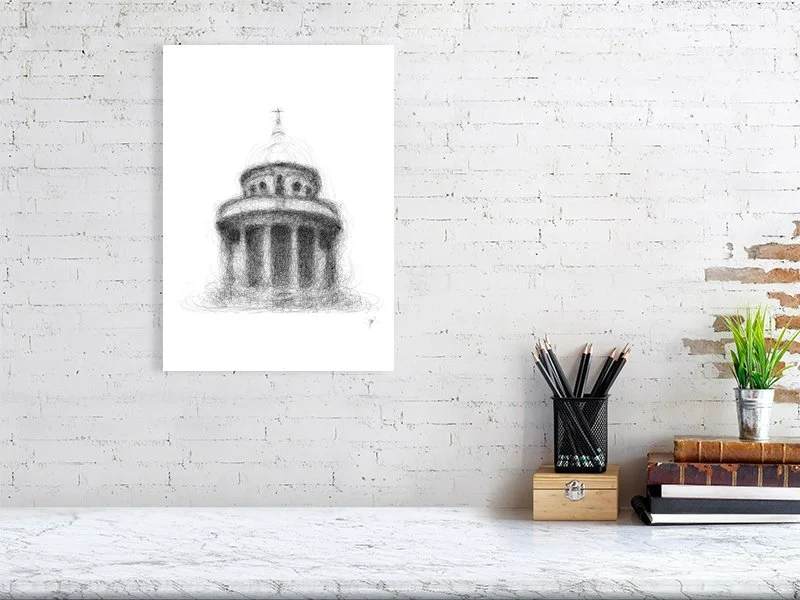 Image 9 of 21
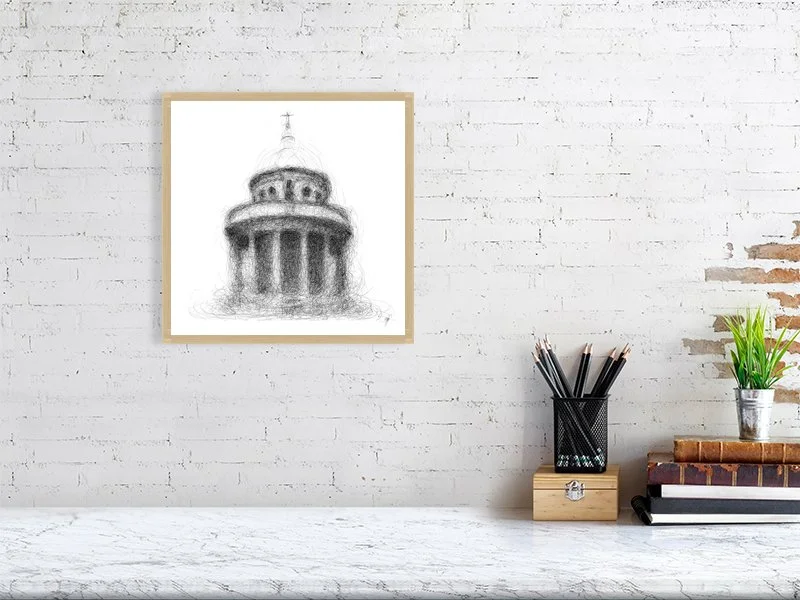 Image 10 of 21
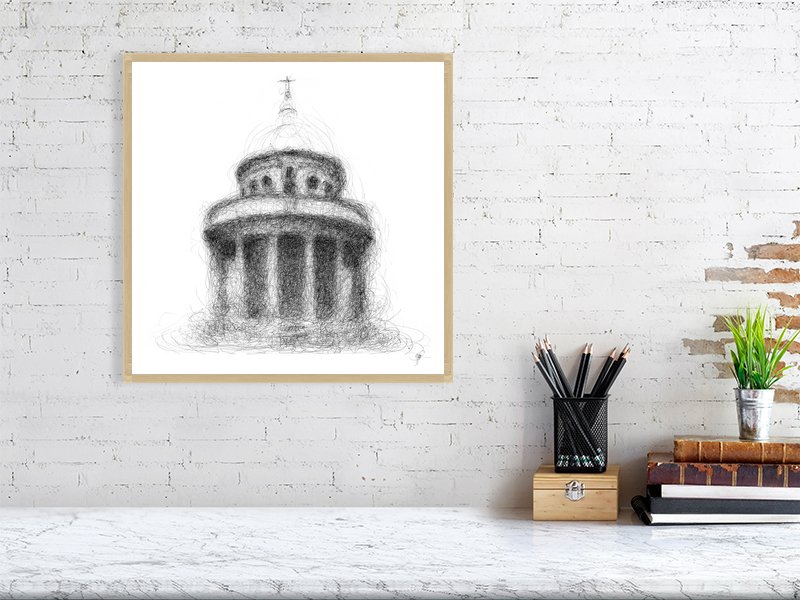 Image 11 of 21
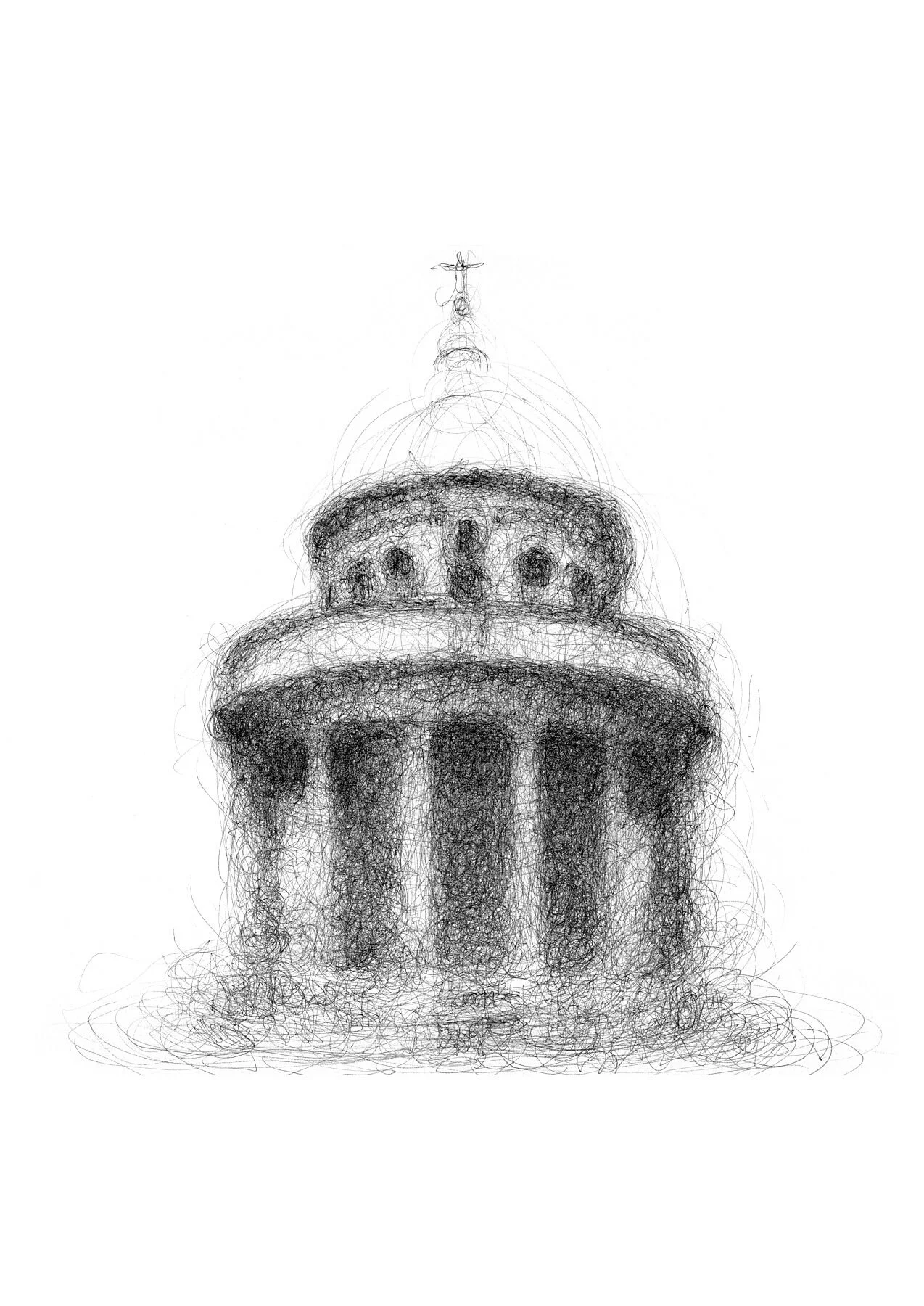 Image 12 of 21
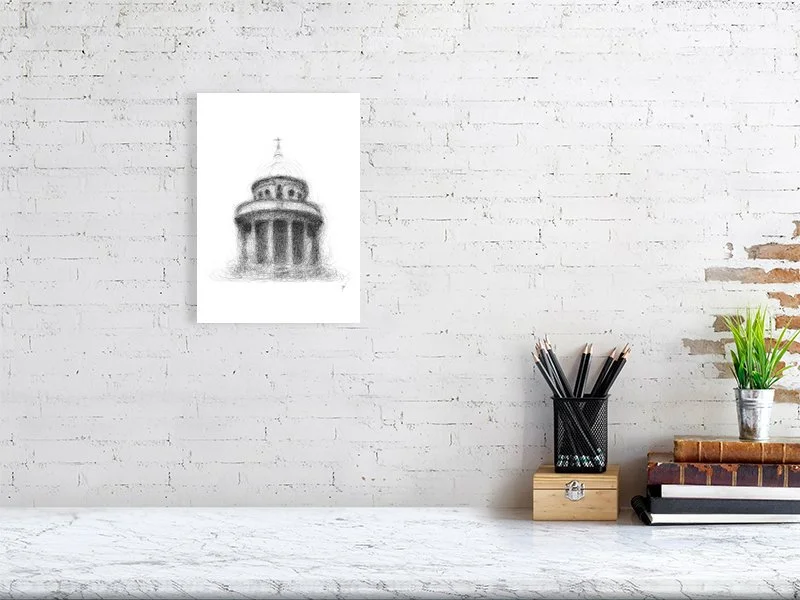 Image 13 of 21
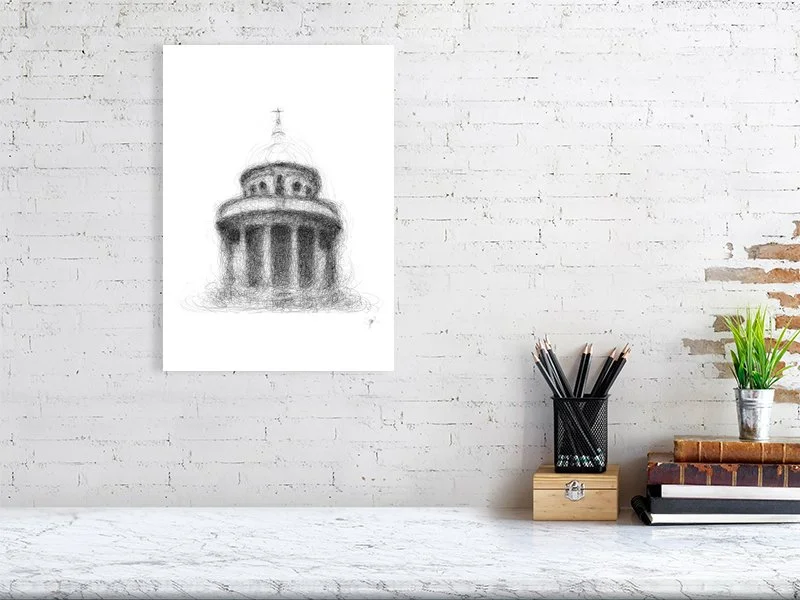 Image 14 of 21
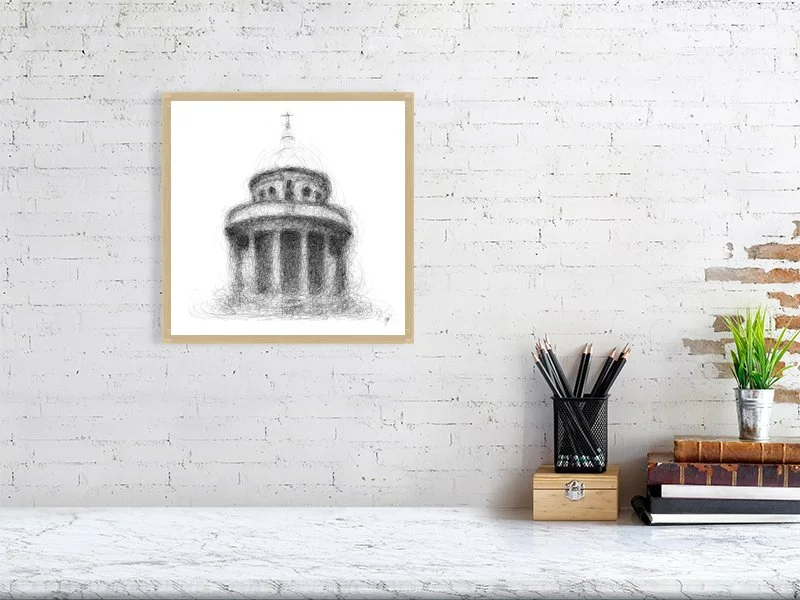 Image 15 of 21
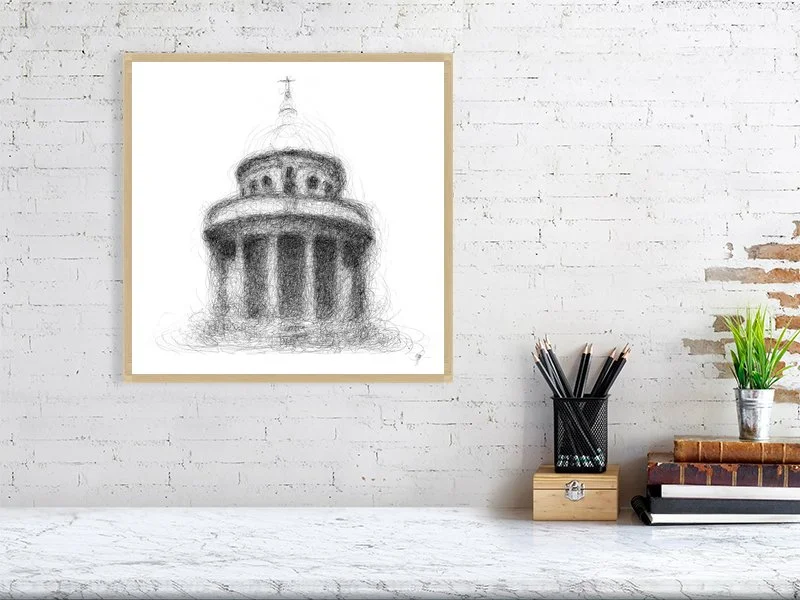 Image 16 of 21
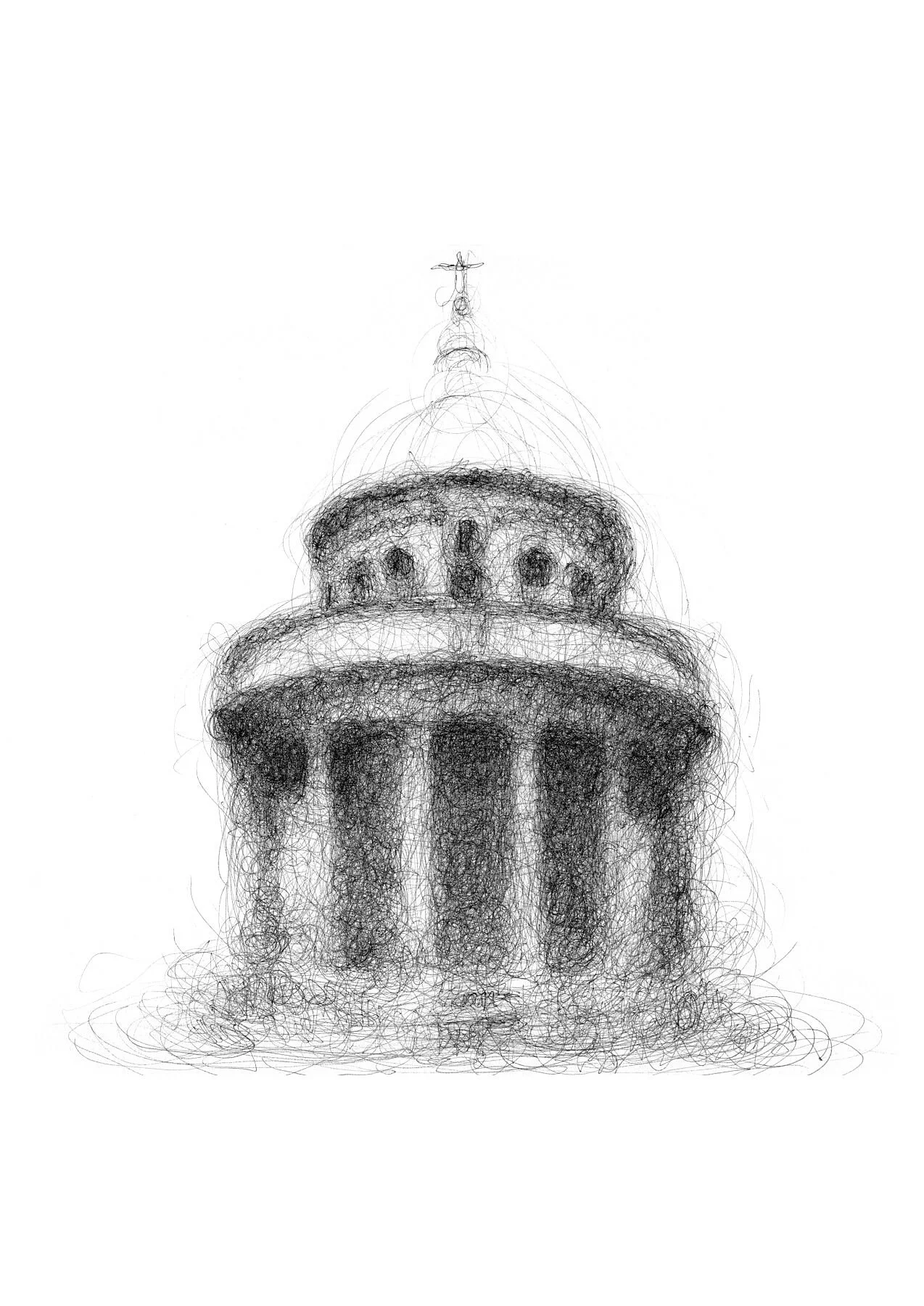 Image 17 of 21
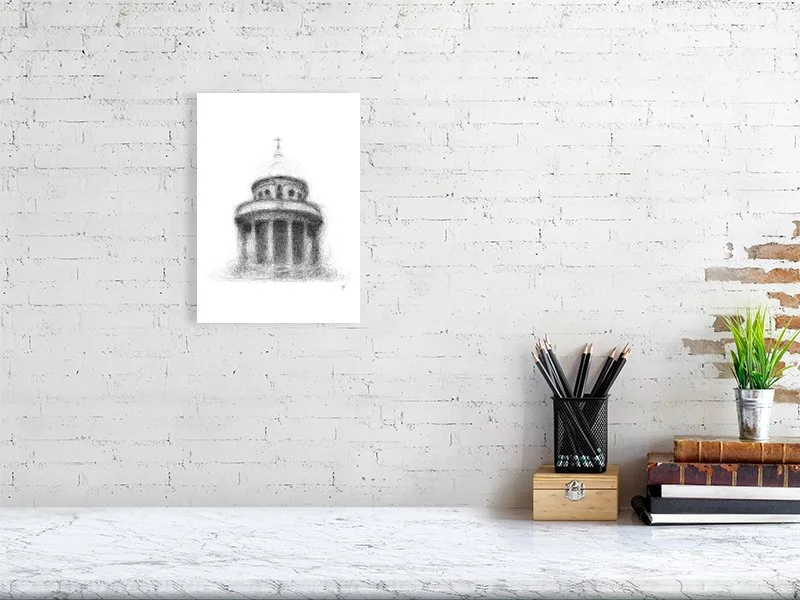 Image 18 of 21
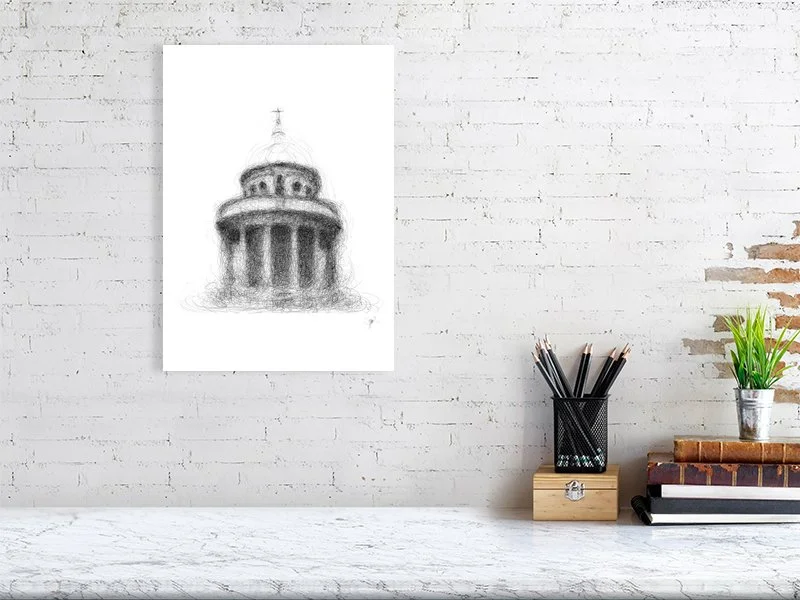 Image 19 of 21
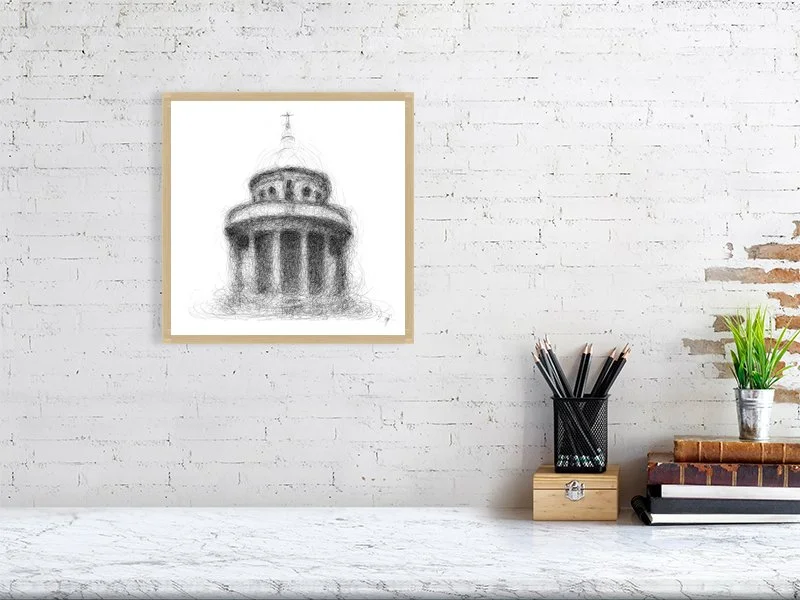 Image 20 of 21
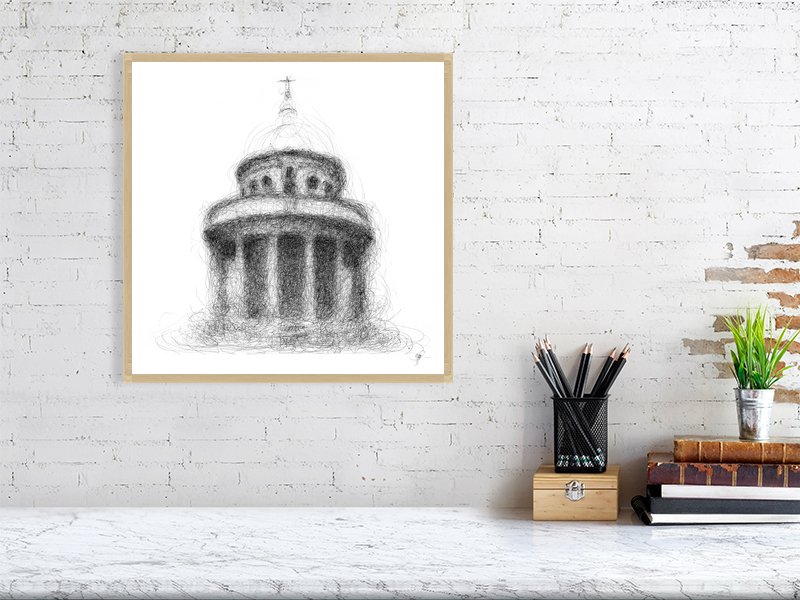 Image 21 of 21